Strata Plumber in New Farm
Owning or renting a unit here means knowing which pipes are yours and which belong to the scheme. A strata plumber New Farm residents can reach sorts that out on the spot, and every job is done by a licensed plumber across New Farm and the streets nearby, 7 days a week.
If we're late, $100 comes off your bill

- Licensed and InsuredEvery job done by a licensed plumber. QBCC No: 15024607
- Fixed Quote FirstFlat-rate pricing, agreed before any work starts
- Lifetime Labour WarrantyBacked by our Fix-It-or-It's-Free guarantee (T&Cs apply)
- $0 Call-Out FeesNo extra charge for nights, weekends or public holidays

Flats dominate the suburb. At the last census, 2021 figures counted 4252 flats and apartments among 5710 homes, with 252 townhouses and semi-detached homes alongside. Most blocks around Merthyr Road and Lamington Street hold at least one walk-up or small complex, so lot-versus-common questions come up on almost every job.
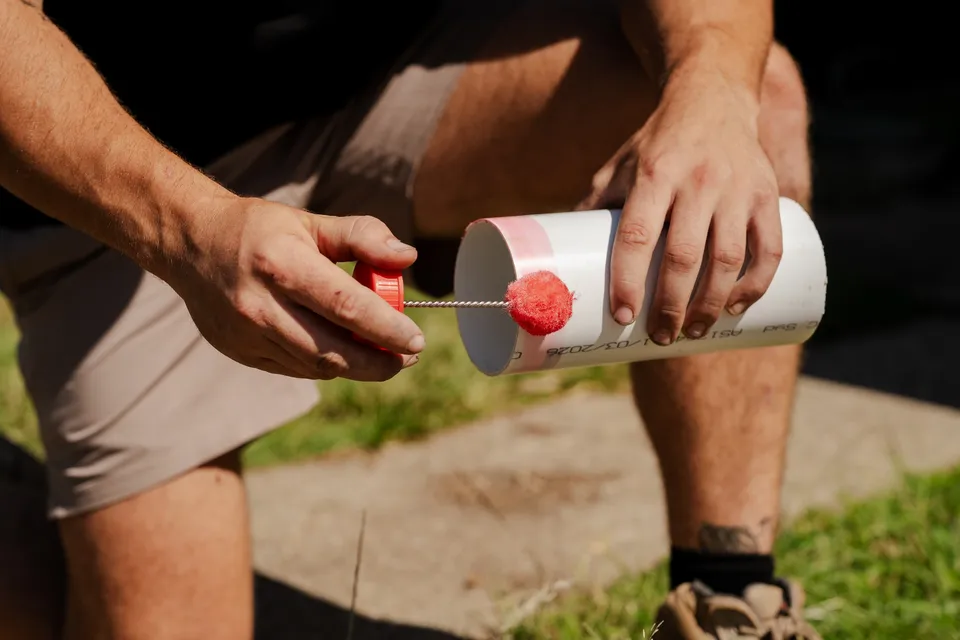
How to Tell a Lot Pipe From a Common Pipe
Your scheme's body corporate maintains the utility pipes that form common property, and you maintain a pipe that serves your lot alone.
Your lot is the unit or townhouse you hold within a community titles scheme. Common property is everything else, and the body corporate administers it.
A three-part test decides which side a pipe falls on:
- the pipe supplies a single lot;
- it sits within that lot's boundaries;
- it stays clear of boundary structures.
All three apply and the pipe is yours. Miss one and it belongs to the scheme.
Say a mixer drips in your own laundry: that fitting feeds your lot, so booking the repair is on you. A riser feeding three flats is common property, so the body corporate arranges it.

Pipes in Walls, Floors and Ceilings
An apartment block puts pipes inside boundary walls, floors and ceilings with the body corporate; a townhouse complex draws its line around pipes that supply several lots.
Apartment schemes sit on a building format plan or a building units plan. There, a cold line within a boundary wall, floor or ceiling is common property, while a line feeding your home alone, running through an internal wall, falls to you.
Townhouse schemes sit on a standard format plan or a group titles plan. A pipe supplying two or more lots belongs to the scheme; a pipe within your boundary, serving your place alone, is yours.
Boundary structures are the walls, floors and ceilings that sit on lines between two lots, or between a lot and common property. A false ceiling does not count.
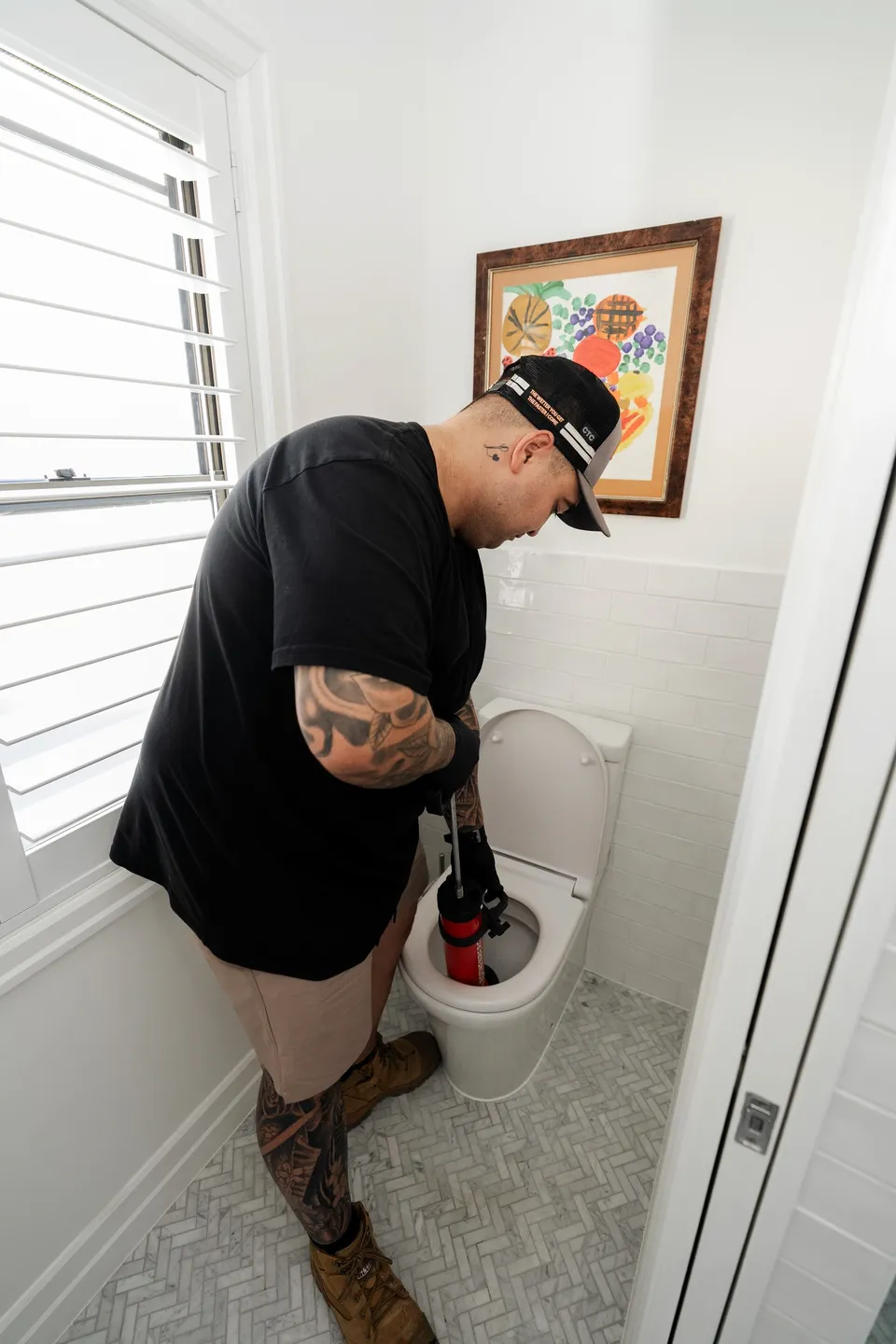
Where to Stop the Water in an Apartment
Close the isolation valve at the fixture that's leaking first. Every tap, cistern, dishwasher and water heater has one at the outlet, and shutting it stops water to that point while the rest of the unit keeps running.
Then work outward:
- Close the valve at the fixture or appliance that's leaking.
- Water still spreading? Your lot's submeter sits in a common area, so contact the body corporate or building manager before anyone touches it.
- Shared fittings and their valves belong to the scheme, so leave the mains alone.
A burst braided hose under a laundry cabinet is the classic case: the fixture valve sits within arm's reach and kills the flow in seconds. Our flexi hose replacement page covers the swap itself.
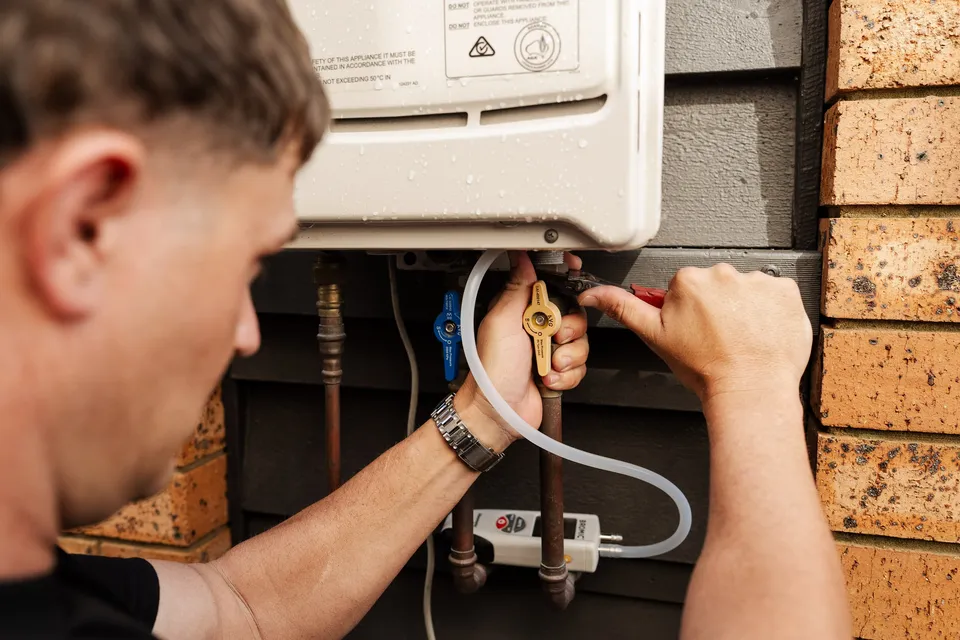
Shower Trays, Hoses and Water Heaters
Leaks into the unit below usually start at three places: the shower tray, the water heater serving your lot, or a pipe inside a boundary wall.
Shower tray
yours as owner or occupier, even where the tray sits outside your lot.
Water heater
also yours when it supplies only your home, whatever floor it's on.
Pipe inside a boundary wall
the body corporate's to maintain, like any pipe running through a boundary structure.
Stop the water at the fixture before anything else. Dry the area, then call (07) 3524 7163 and we will trace where the water actually started. If a tray is the suspect, our leaking shower repairs page sets out the testing, and leak detection covers the pipes you cannot see.

What New Farm Blocks Add to the Mix
The test bites harder where homes stack. Approvals added 255 area-level dwellings over five years (ABS), so brand-new kitchens sit above drains laid generations apart.
The river wraps the suburb on three sides, and silty deposits hold storm water under garages and ground-floor flats after rain. A damp patch near the low Lamington Street end can be old soakage rather than a pipe, so tracing comes first.
One caution before a renovation: some apartment work is complex enough to require a council permit rather than a Form 4 lodged with the QBCC. Your plumber confirms which before any wall opens.
How We Work on Unit Plumbing
- 1

Describe the problem
Phone (07) 3524 7163 or fill in the form with what you're seeing in New Farm. The more we know, the better we can prepare.
- 2

We check whose pipe it is
We read the plan type, trace the line and apply the three-part test before quoting, so the fixed price names the fault and the fix. Valves get tested while we are there, and anything on common land goes to you in writing.
- 3
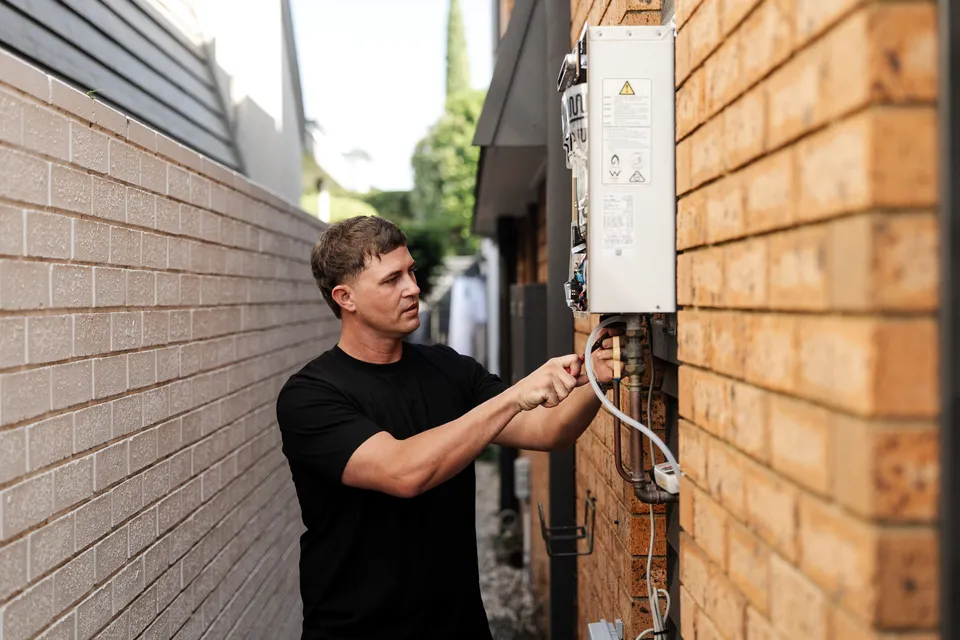
Agree on the price
A fixed quote comes before any work starts: flat-rate pricing, no hidden fees, and your go-ahead first.
- 4

Pay on completion
Card or EFTPOS on site when everything's working, or ask us about Fix now, pay later.
Plumbing job in New Farm?
$0 call-out fees, available 24/7, and same-day where we can.
Unit and Townhouse Questions
Call (07) 3524 7163Is plumbing covered by the body corporate in New Farm?
No, only the common property side. The body corporate in your scheme usually maintains shared infrastructure, while a pipe that supplies a single lot, sits inside that lot's boundaries and stays clear of boundary structures is yours. Miss one part of the test and the pipe belongs to the scheme.
Where is the water shut-off in a New Farm unit?
Start at the isolation valve on the fixture or appliance that's leaking, which stops water to that one outlet. In the Urban Utilities area, a lot's submeter sits in a common area rather than inside the unit, and the fittings around it are not yours to operate.
Who is responsible for pipes in a New Farm townhouse complex?
A water pipe supplying two or more lots is common property, so the body corporate maintains it. A pipe inside your own boundary, feeding your home alone, is yours. The plan type sets the default, and a licensed plumber can confirm which side a fault falls on.
Can I call my own plumber for a leak in my unit?
Yes, when the pipe or fitting passes the three-part test as yours. Where the fault sits on common property, the body corporate arranges the repair. A licensed plumber handles the job in either case, and we hand you written findings for anything shared.
Is the water meter for a New Farm unit inside the unit?
No, never inside the unit. In the Urban Utilities area, a submeter sits in an accessible spot, usually a common area. New strata subdivisions have needed one since 1 January 2008, and the utility owns it once the lot is formally created.

Call Us About Your UnitWe'll call you back.
Phone (07) 3524 7163 for a licensed plumber in New Farm. We work under QBCC No: 15024607, with flat-rate pricing, no hidden fees and same-day where we can.
To claim your $0 call-out fee, call (07) 3524 7163 today.