Why Your Toilet Keeps Running
Three faults explain almost every running toilet: an inlet valve that fails to close, a flush valve seal passing water down into the pan, and a fill level set above the overflow. Each shows a different sign, and you can narrow yours down without opening the cistern. If the toilet keeps running after you've read this, a licensed plumber sorts it in one visit.
If we're late, $100 comes off your bill

- Licensed and InsuredEvery job done by a licensed plumber. QBCC No: 15024607
- Fixed Quote FirstFlat-rate pricing, agreed before any work starts
- Lifetime Labour WarrantyBacked by our Fix-It-or-It's-Free guarantee (T&Cs apply)
- $0 Call-Out FeesNo extra charge for nights, weekends or public holidays

Cisterns here range from 1960s fittings to the 2000s, so a walk-up flat near The Powerhouse can hold a very different valve set from a renovated house on the ridge. Our New Farm plumbers see the lot, and toilet repairs in New Farm covers the full range of toilet work we do.
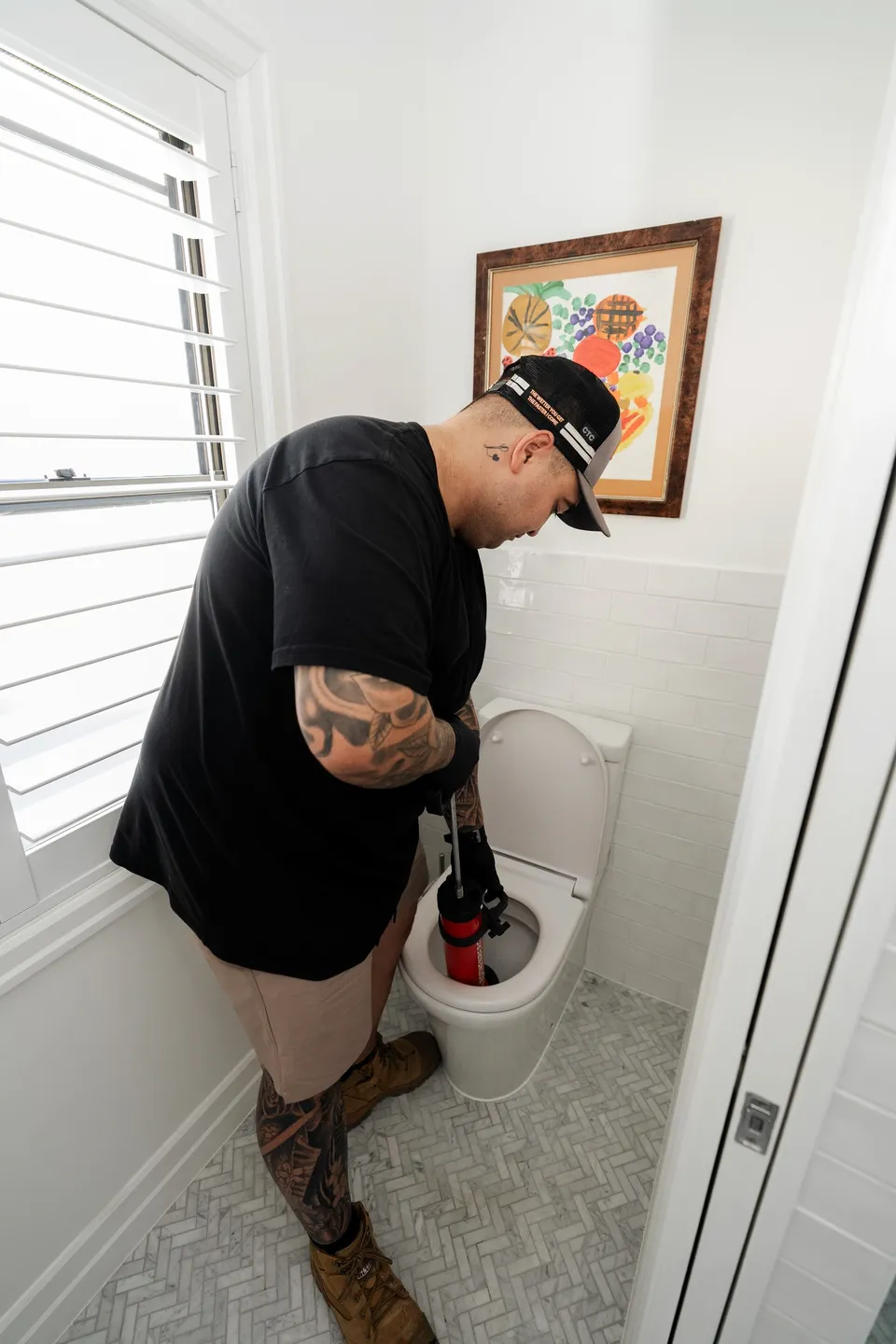
The Three Causes of a Running Toilet
Three faults cover almost every running cistern: an inlet valve that will not shut off, a flush valve seal leaking water into the pan, and a water level high enough to escape through the overflow.
Each one announces itself differently:
The inlet valve
After a flush, the inlet valve refills the cistern and stops when the float reaches its set level. A hiss or trickle that carries on once the tank is full points to a valve that never closes.
The flush valve seal
The outlet valve holds the water between flushes. When its seal wears, water slips down into the pan, so the inlet valve keeps topping the tank up and the toilet runs with nobody touching the button.
The overflow
The overflow is the safety route that carries excess water out of the cistern instead of onto your floor. A level set above the overflow, or a valve that never shuts off, sends water out that way, sometimes as a drip from the overflow pipe outside.
A cistern topping itself up every few minutes with nobody flushing points to the seal. Water running while the level never rises points to the inlet side.

When the Cistern Will Not Fill
A cistern that never refills usually means a worn or blocked inlet valve, a float set too low, or a stop tap not fully open. Check the stop tap first, because a tap only partly turned costs nothing to fix.
The trickier case is the opposite fault. When water runs but the cistern never fills, the flush valve seal may be letting the water out as fast as it arrives. The supply is doing its job; the outlet is undoing it.
Cisterns fitted from the 1960s through to the 2000s are common in the walk-up flats and duplexes of that era. Worn inlet valves and hardened seals turn up on our runs here week after week.
What Colour in the Bowl Tells You
Run this test: squeeze several drops of food colouring into the cistern, resist flushing and give it time. Colour drifting into the bowl means the cistern is losing water down into the pan, which points at the flush valve seal.
Flush once you've read the result. The dye leaves no mark on a ceramic bowl.
Reading the result:
Colour in the bowl
water is escaping past the seal, and the flush valve needs a licensed plumber's attention.
No colour in the bowl
the flush valve is holding, so the inlet valve and the water level are the next things to look at.
No food colouring in the house? Place a dry sheet of toilet paper at the back of the bowl, above the water line. It should stay dry unless water is trickling down the back of the pan, which indicates a leaking toilet.
The QBCC List of Unregulated Cistern Work
The QBCC, Queensland's building regulator, treats three cistern washers as unregulated work: the drop valve washer, the float valve washer and the suction cup rubber. A householder with the right knowledge and skill can swap any of the three, and no licence, approval or report applies. The finished job still has to comply with the plumbing standards.
Every other toilet repair is minor work, which a QBCC licensee carries out, with no permit and no Form 4. That covers the inlet valve, the flush valve assembly and anything else inside the tank beyond the three washers above.
Rentals add a duty on top. Queensland tenancy law requires the owner or manager to keep the premises in good repair, and the tenant passes on faults as soon as they spot them.

Who Pays for Water a Cistern Wastes
No, the concealed leak adjustment from your water utility does not cover water lost through a leaking toilet cistern. Urban Utilities excludes cisterns, taps, hot water systems and other appliances from that adjustment.
The property owner holds primary responsibility for water leaks on the property and the losses from them. That matters in a suburb where most households rent: a running cistern quietly inflates a bill, and the money is not coming back through an adjustment claim.
Renters near the riverside end of the peninsula who hear a cistern refilling itself overnight should report it early. The sooner the owner knows, the smaller the water bill and the damage.

When to Call a Plumber
Call a licensed plumber when the dye test shows colour in the bowl, when the inlet valve never shuts off, or when the cistern stays empty with the stop tap fully open. Those faults sit on the licensed side of the QBCC line.
A plumber from our team diagnoses the fault, quotes the fix and finishes the job in one visit where the parts allow. Book through our toilet repairs in New Farm page or ring the number below.
Toilet Questions From New Farm
Call (07) 3524 7163Why is my toilet cistern not filling up?
The usual culprits are a worn or blocked inlet valve, a float sitting too low or a stop tap only partly open. If water runs yet the level stays down, the flush valve seal may be draining the cistern as fast as it fills.
How do I check a cistern for a silent leak?
Squeeze several drops of food colouring into the cistern, resist flushing and give it time. Colour drifting into the bowl means the cistern is losing water into the pan. Flush once you've read the result, because the dye leaves no mark on ceramic.
What does it cost to fix a running toilet in New Farm?
Two things drive the price: which part has failed, and how easily we reach the cistern and its stop tap. You get a fixed quote before any work starts, so the figure is settled before a tool comes out.
Who fixes a running toilet in a New Farm rental?
Queensland tenancy law makes the owner or manager responsible for repairs, and the tenant should report the fault straight away. A running cistern is routine and gets done within a reasonable time. A toilet that blocks or breaks is classed as an emergency.

Call Us About Your CisternWe'll call you back.
Phone (07) 3524 7163 for a licensed plumber in New Farm. We work under QBCC No: 15024607, with flat-rate pricing, no hidden fees and same-day where we can.
To claim your $0 call-out fee, call (07) 3524 7163 today.